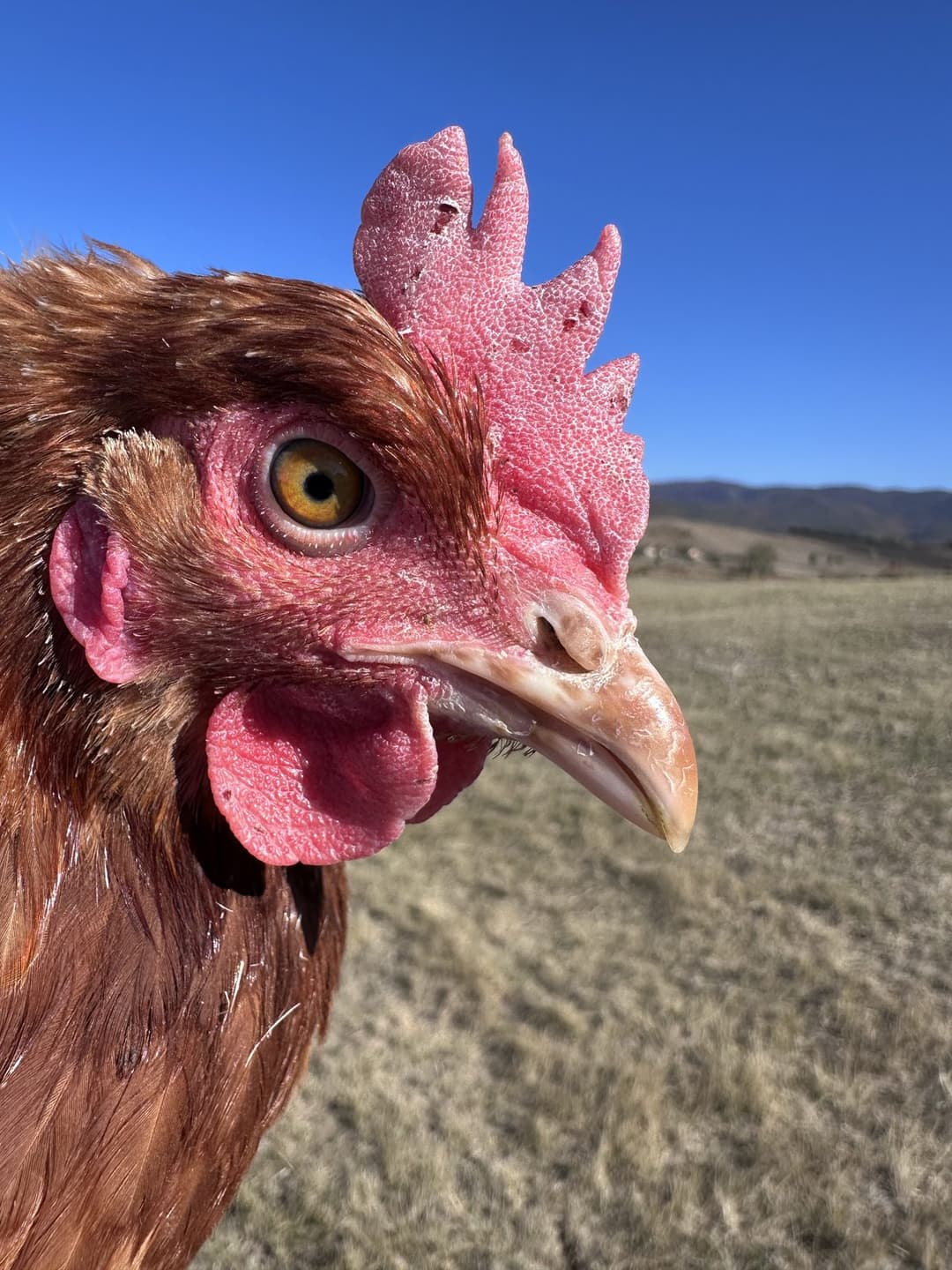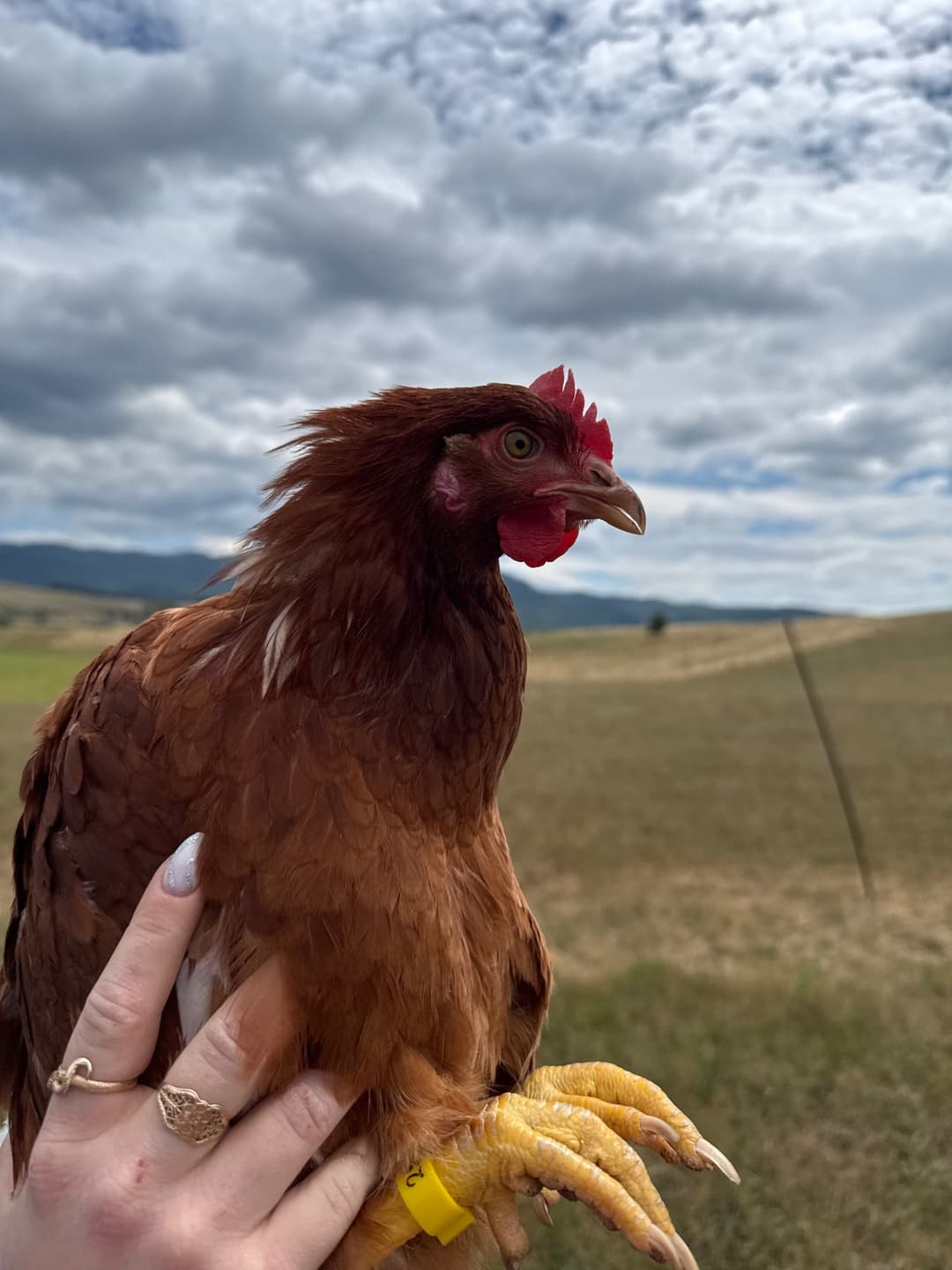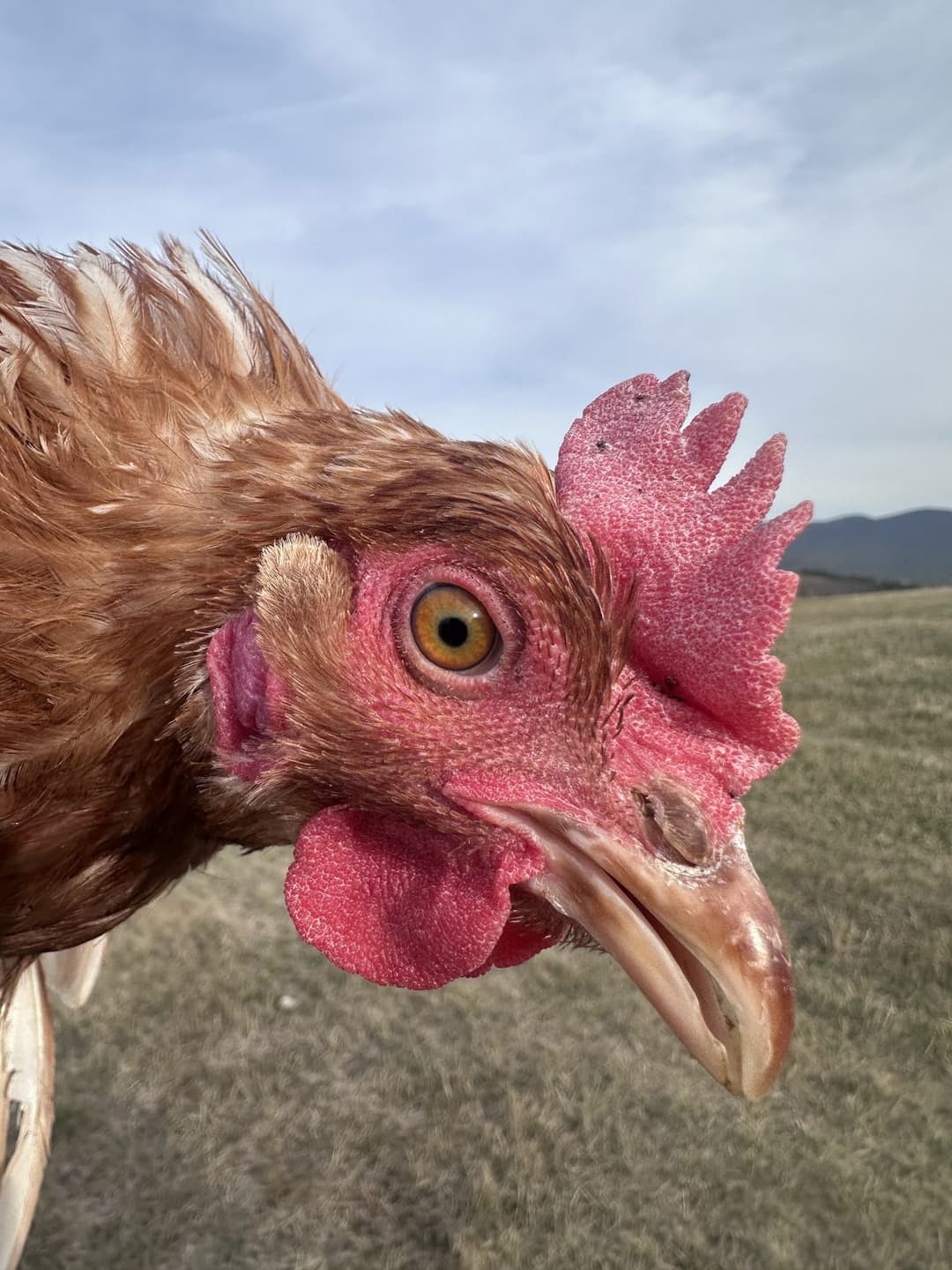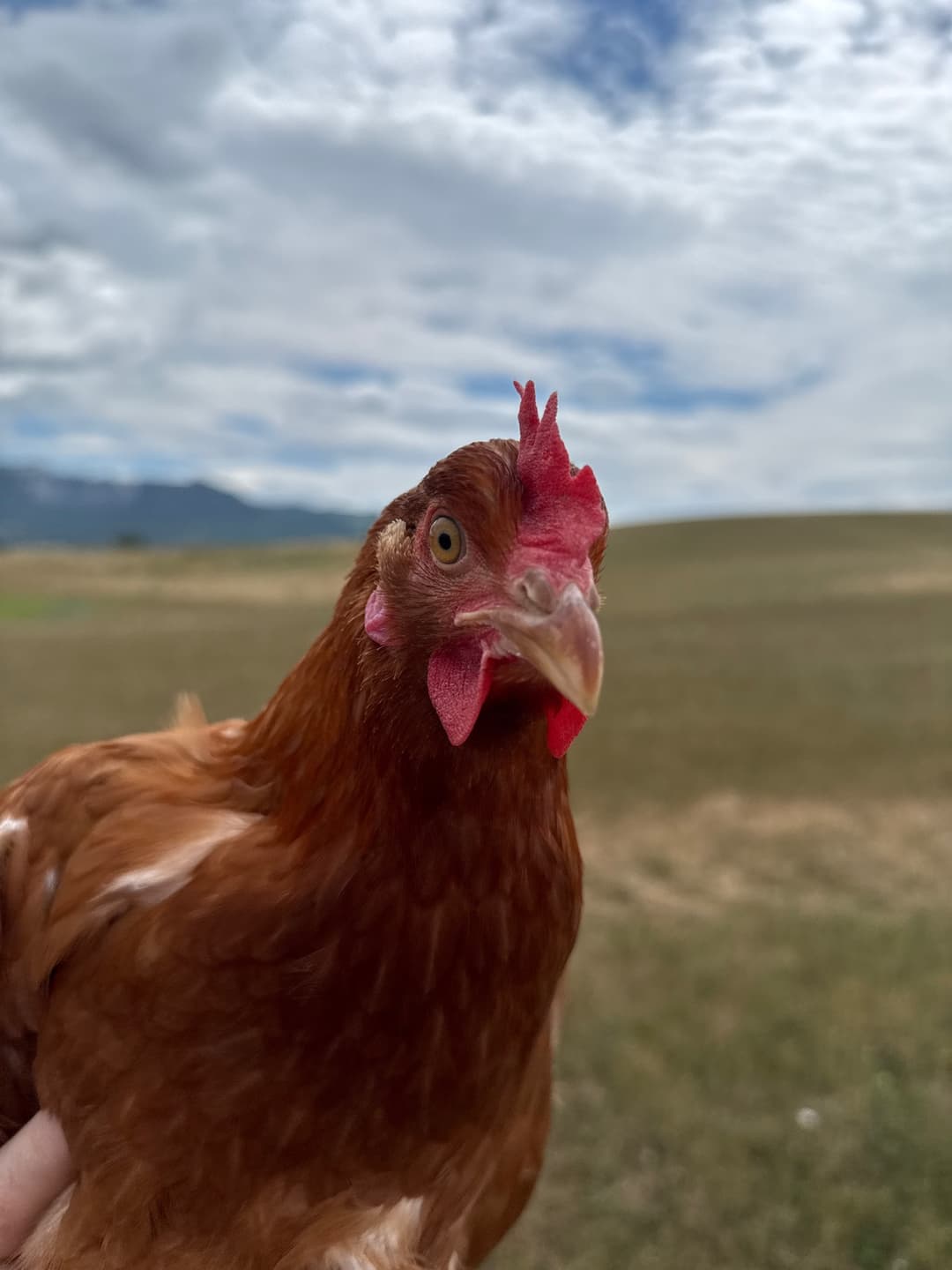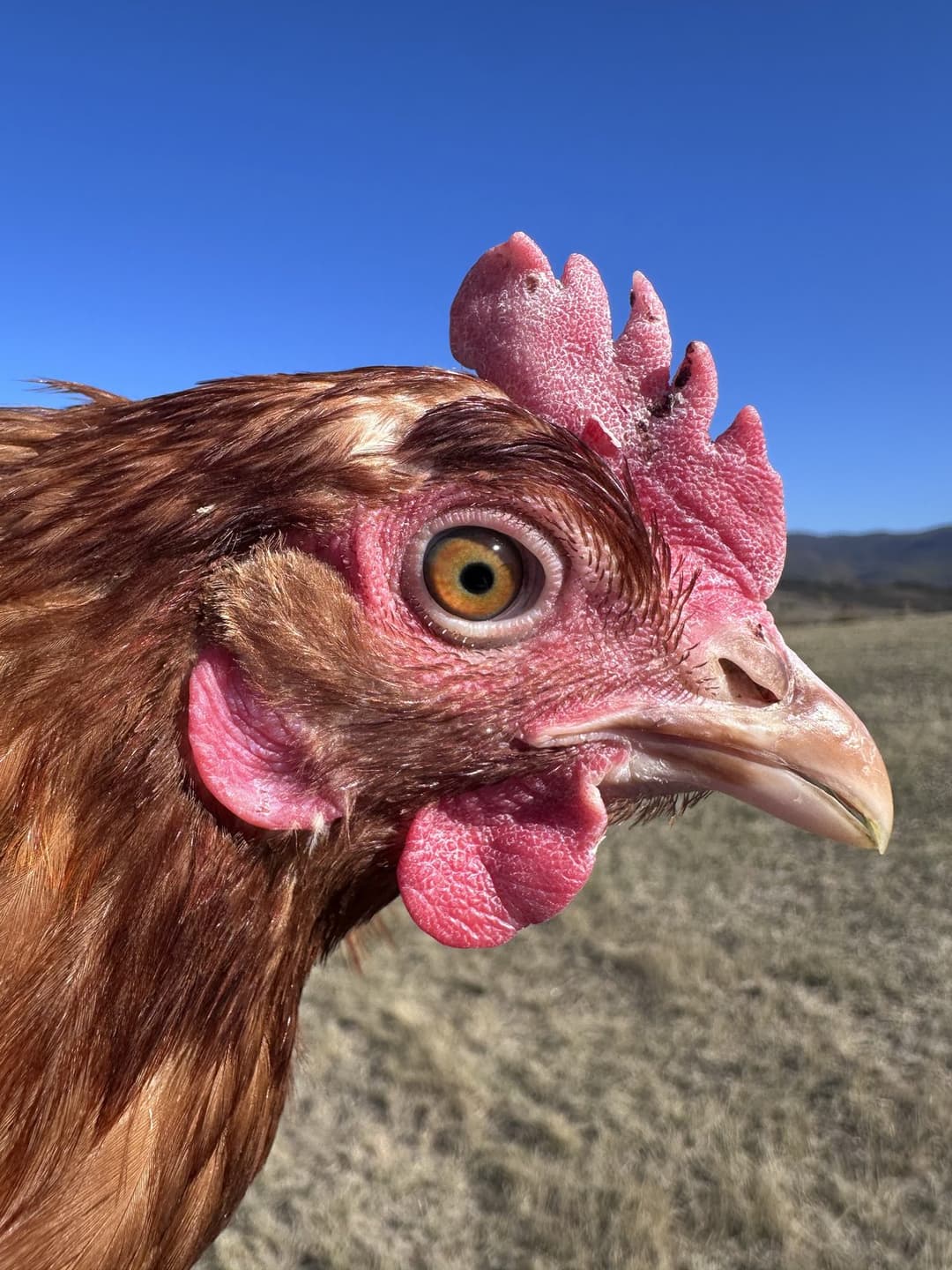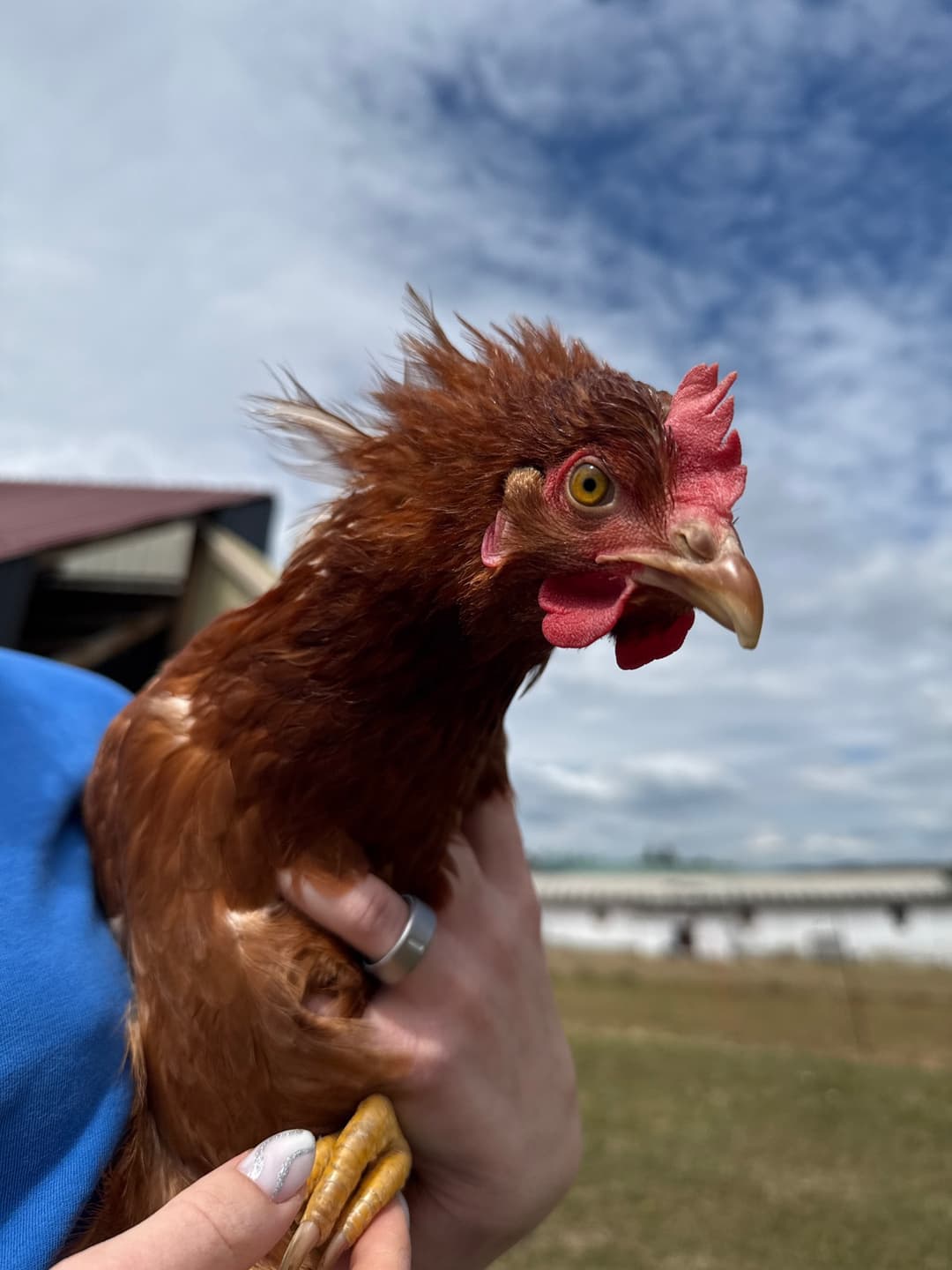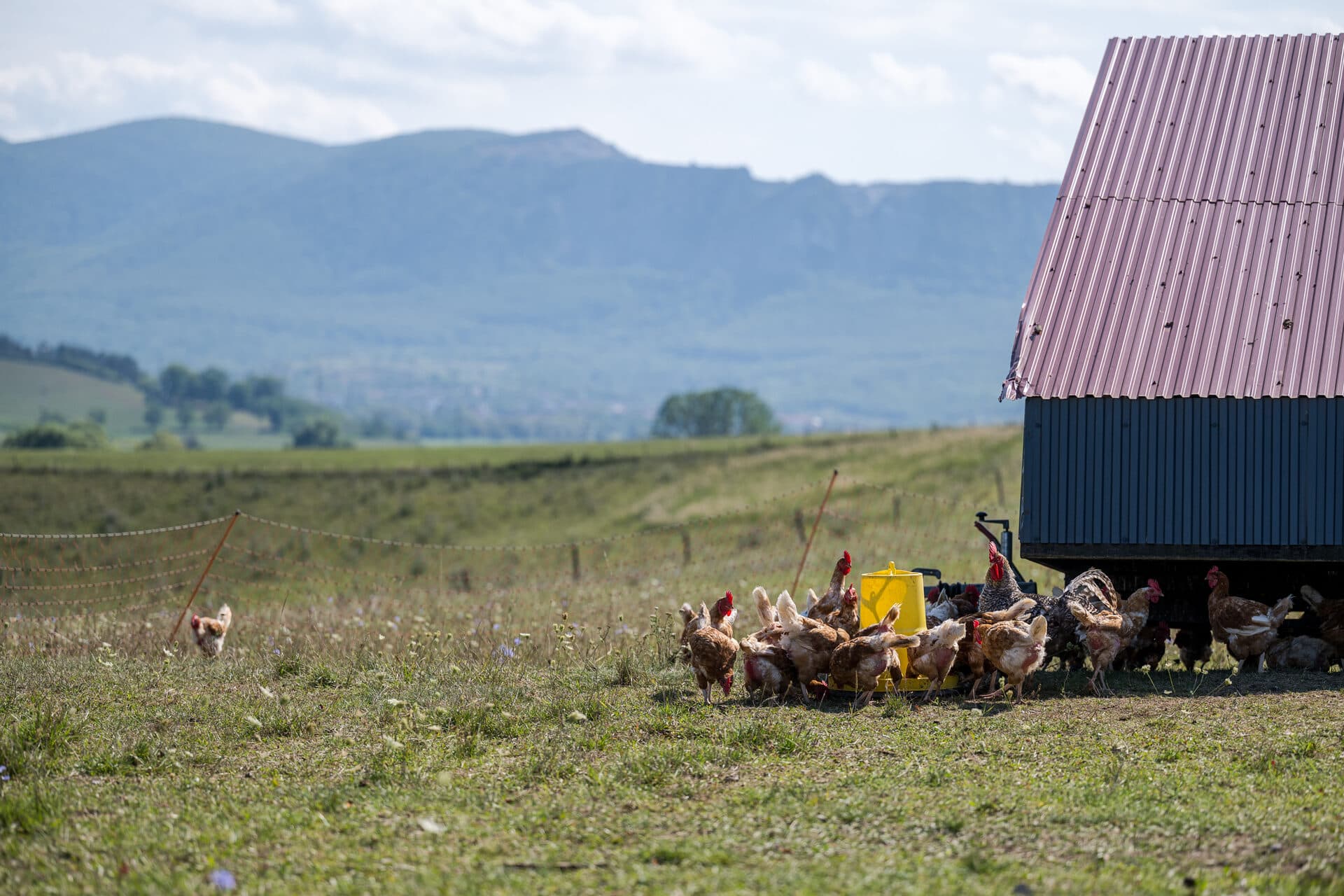
This coop is full.
The waitlist opens the next one.
Meet the hens and join the next round. Follow your live rank on your personal page. When your turn comes, your invitation shows the deadline to reserve and pay.
4194 people are in the queue for 5656 hens. +81 joined in the last 24 hours.
Invited people from the queue are booking now. Join the queue and we email you when your turn comes.
More than 2000 customers have bought from Remény Farm, and over 500,000 people follow the farm day to day.How it worksYou are in the queue.
Already joined? Check your place
A live rank and a personal invitation
The next round opens from the active waitlist in its current order. Your rank can change; there is no guaranteed opening date.
You sign up and get a number
Your signup number is permanent, but it is not your rank. Your personal page shows your current place and any available progress breakdown.
Invite a friend if you would like to
Invite up to three friends at a time by email from your personal page, or share your public link. Each friend earns +50 places when the invitation reaches them or they join through your link, and +200 more when they activate the invitation, confirm their email or sign in to the app. You stop at first place. Inviting is optional and does not enroll friends.
When your turn comes, check your invitation
We invite in the current queue order. Reserve and pay before the deadline in your personal invitation. An expired unpaid invitation returns to the end of the queue.
The 4. ól has 148 places, and 5656 hens are already requested.
We expect to set the opening day around 500 requested hens. We pick the exact day ourselves and email you the moment your turn comes.
Only real signups are counted; the queue keeps moving.
This is the farm your hen lives on
Ninety seconds of the place this starts from: a real farm, real hens, real mornings. The narration is in Hungarian, but the farm speaks for itself.
“We want the egg on your breakfast table to have a face again. So we do not just talk about the farm, we invite you to see it.”
Not eggs in the post. A relationship.
Knowing exactly where your food, or your money, ends up has become rare. Here you are not buying on trust alone: you see the farm, you follow one named hen, and you know what your money keeps alive.
A hen with your chosen name and her own number
She is not a line in a stock count. You name her, you follow her group, and you know which part of the farm you are attached to.
You see it, you do not just believe it
Photos, a web account and a daily chronicle let you look in. Breakfast stops being a claim printed on a box.
Her eggs go to real tables
Roughly 22 to 29 organic eggs a month per hen reach families near the farm and the farm donation programme, instead of a supermarket shelf.
Land that gets better, not worse
The hens move across a regenerating silvopasture alongside cattle and sheep. Your money goes into ground that improves year on year.
This is what you look into
We would rather show you than ask you to trust us. This is the web account you follow your hen from after payment. What is still being built is labelled as such, and we make no promises on it.
 Now: web account
 Live camera at some coops
 Coming soon: mobile app
The English mobile apps are not published yet, so the web account is the full experience today. The live camera is a separately flagged later addition and is not part of what you are buying now.
This coop is full.
This is what you get as soon as your round opens: $16.90 a month, a hen in your name, and her story to follow.
Get my queue numberThis round is full
We invite the active waitlist in its current order. Your personal invitation shows your booking deadline. Sign up and we email you when your turn comes.
Card subscriptions renew automatically each month. Cancel any time without a penalty.
- Invitations follow the current active queue order, with the actual deadline in each personal invitation.
- Your personal page shows live rank; your permanent signup number is a separate identifier.
- Optional invitations: +50 places per friend when the invitation reaches them or they join, then +200 more when they activate it, confirm their email or sign in to the app. You stop at first place; unused places are not saved.
- No deposit and no reservation fee: your place on the list counts, not your money.
- Unsubscribe anytime using the link in your emails.
More people want to know where food comes from
Remény Farm has spent more than seven years building a farm where the customer gets a connection to their food, not just a product. EARA membership, organic farming, and a documented daily life on the farm.

What Remény Farm customers say
"Since my son was born I look at food completely differently. I want to know where the egg I cook him for breakfast comes from. This is the only place I actually see it."
"My daughter asks every week whether we can go and see the hens. She named one of them. I never expected an egg to turn into this much of an experience."
"I cook for three children every day. With supermarket eggs I never know what we are eating. Here I know, and I can go and look. That is peace of mind for me."
Translated from feedback by the farm customers in Hungary.
- EARA
- member
- 7+
- years building the farm
- 2000+
- customers served
- 500k+
- following the farm day to day
What we promise, and what we do not
This runs on living animals and real land, so we say plainly what you can expect. What we promise here, we promise with our names and faces on it.
What we promise
- Organic husbandry on a farm whose background you can verify through EARA membership.
- One hen carrying the name you choose, with her own serial number and public page.
- A web account where you follow her and her group.
- Her eggs put to real use, with families near the farm and the farm donation programme.
- Cancel any time, effective at the end of your paid period, with no penalty.
What we do not promise
- Eggs delivered to you. Chilled eggs do not travel well across borders, so the flock supplies households near the farm instead.
- An exact monthly egg count. Season, weather and the rhythm of the group all matter, and a hen is not a machine.
- That you receive the eggs of your specific hen. Eggs are collected per group and shared out proportionally.
- A live camera at launch. That is a separately flagged later addition.
- English mobile apps at launch. They are coming, and the web account works fully in the meantime.
Frequently asked questions
When the next coop is ready, we invite the active waitlist in its current order. There is no guaranteed opening date. Follow your live rank on your personal page; your invitation gives the booking deadline. Your signup number is permanent, not a reserved rank.
We send personal invitations in the current queue order. For your own hen, choose her before paying. Reserve and pay by the actual deadline in your email. An expired unpaid invitation returns to the end of the queue. We email you when your turn comes again.
Inviting is optional. Your personal page lets you enter up to three friend addresses per send, or share a public link without giving us their addresses. We process friend addresses to send and track the invitation, prevent duplicates and handle declines. Invitations do not enroll anyone or give marketing consent: friends must separately opt in. Email invitation: +50 places when the email reaches your friend; nothing if it bounces. Another +200 places when your friend activates the invitation or signs in to the app with that email address. Public link: +50 places when a new friend joins through your link and we send them the welcome email; +200 more when they confirm their email or sign in to the app. Each reward counts once per friend. An app download alone earns nothing. You can invite more friends later. You stop at first place and unused places are not saved. Your personal page shows recorded movement, not an estimate from friend counts.
No, and you cannot: there is no deposit and no reservation fee. Your place on the list counts, not your money. You only pay when your round opens and you actually pick a hen.
When the coop is built and the list has comfortably oversubscribed the places. We set the exact day ourselves, invite the list in queue order, and email you the moment your turn comes.
Yes. On the New hen page in your account you can choose one straight away while a hen is free; if none is free right now, you can sign up there.
More questions
No. Chilled eggs do not travel well across borders, so we do not ship them internationally. The eggs your hen group lays go to households near the farm in Hungary and to the farm donation programme. What you are buying is the care of one named hen and the ability to follow her, not an egg delivery.
The keeping of a specific hen: her feed, her daily care, the organic pasture she ranges over, and the farm work around her. In return she carries the name you choose, gets her own serial number and public page, and you follow her from a web account.
It is $16.90 a month, under $4 a week. That covers feed, care, organic husbandry and the farm work. With a card subscription, you pay the first month today. In one month, then every month, Stripe automatically charges your card until you cancel. There is no deposit, no one-off fee and no hidden cost.
It is written as a yearlong story but billed monthly, and you can cancel at any time without giving a reason and without penalty. Cancel in your account before renewal to avoid the next charge. Cancellation takes effect at the end of the current billing period. Periods already paid for are not refunded pro rata, except in the cases set out in the legal notices.
Yes. The layers arrived at the farm on 9 June 2026 and the flock is on pasture. People who sponsor earlier pick their hen earlier.
Yes. The eggs come from a certified organic system and Remény Farm is an EARA member. Beyond the certification you can look into the farm life through photos, your web account, and, if you travel to Hungary, an arranged visit.
Yes, she can, and we are honest about it, because we work with living animals. For perspective: even in industrial cage systems, where hens live in closed, climate-controlled buildings, the industry plans for 4-6% mortality over a laying cycle, which means roughly one hen in twenty dies even under the most controlled conditions there are. In free-range systems, where hens live a real life on pasture, the average is higher, around 9-10%, and organic keeping is higher still. Rearing alone, the chick and pullet months before laying, also loses around 10% of birds. That is not neglect; it is the reality of life. What happens to your patronage in that case is covered in the next question.
We work with living animals, so this risk is a natural part of the system. If a hen's life comes to its natural end, we let you know personally. The remaining time of your patronage is yours to decide: a successor hen you choose carries the remaining term, or we return the remaining price proportionally. Her page stays forever as a free memorial, her diary preserved. She also stays part of her coop, with your vote in her community, and any in-app recognition you earned with her is kept.
The Liget can be visited, but not walked freely: you can see your hen group on an open-day basis. Because these are living animals in an organic system, visits run to a set schedule under animal welfare and disease control rules. We arrange visit times by email.
The English apps are not published yet, so the web account is the full experience today. It works on a phone browser. We will announce the apps when they ship rather than promise a date.
Your hen can stay with us for a second laying cycle, so you follow the same hen across two years. Hens past laying age are not discarded; they stay on the farm or move to a keeper who takes older birds. Her public page is kept either way.
Sponsorship runs as a yearlong story billed monthly. You can cancel at any time, effective at the end of the current billing period, with no penalty. At the end of the year your hen does not quietly disappear: you decide how her story continues.
- She stays another year If you want, she stays with us for a second laying cycle, so you follow the same hen across two years.
- She retires on the farm Hens past laying age are not discarded. They stay on the farm or move to a keeper who takes older birds.
- Her page stays up However her life ends, her public page is kept as a permanent, read-only record. The farm does not delete hens.
Yes. On the gift page you choose how many hens and for how long (3, 6 or 12 months), pay once, and get a coupon code on screen, by email, and as a printable voucher. The person you give it to picks and names their own hens when they redeem it. The period starts on redemption, and the code can be redeemed for 6 months from purchase.
No. Chirp Coop is a mobile game and it is not released yet. Hen sponsorship is a real service about a real animal on a real farm, bought and managed on the web. Sponsorship gives no advantage in the game.
Hen welfare
No. At night the camera lights the coop with near-infrared light, which hens cannot see. A hen sees more colours than we do, near-ultraviolet included, but not the infrared beyond red. Camera infrared lamps shine at around 850–940 nanometres, well outside what hens can see. Their daily rhythm and sleep are set by light sensors in the eyes, in the pineal gland and deep in the brain, and none of these responds to that wavelength either, so the infrared light does not disturb their melatonin production or their night’s rest. For the hens, the coop stays just as dark as it would without a camera.
No. A healthy, fully feathered adult hen is comfortable down to about minus 5 °C (23 °F): the air trapped between her fluffed-up feathers insulates well, at night the hens huddle together on the perch, and in the cold they eat more, which makes more body heat. In winter the bottleneck is not cold but moisture. Hens give off a lot of moisture through breathing and droppings, and in an over-insulated, closed coop it has nowhere to go: the litter turns damp, ammonia builds up and irritates their airways and eyes, and in clammy air their combs get frostbite more easily. That is why fresh air matters more than a perfectly insulated coop. For their health, draught-free ventilation, dry litter and low ammonia count for far more than the temperature.
No. The cap is the lid of a small case and carries the hen’s serial number; the case is where her step-counter chip goes. Even with the chip it all weighs only about 10 grams. On a 2 kg (4.4 lb) hen that is half a percent of her body weight, while the rule of thumb in bird research is that a tag should stay under 3 percent. A stretchy figure-eight harness holds the case, and it does not get in the way of walking, scratching or dust bathing. This is an established scientific method: small chips go into leg rings, larger tags onto the bird’s back. Researchers follow homing pigeons and the migration of wild birds such as storks the same way, often with much heavier solar-powered GPS tags that stay on the bird all year round, even for years.
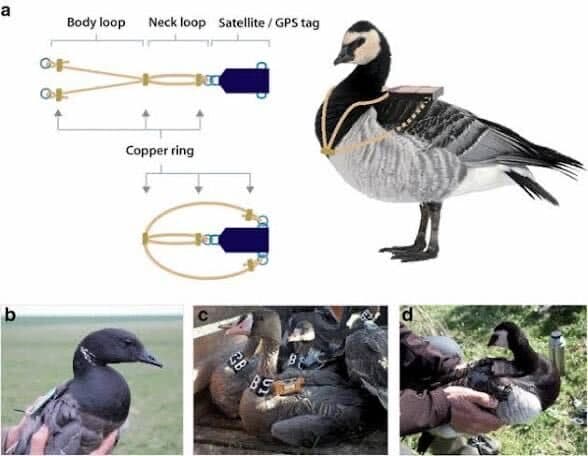
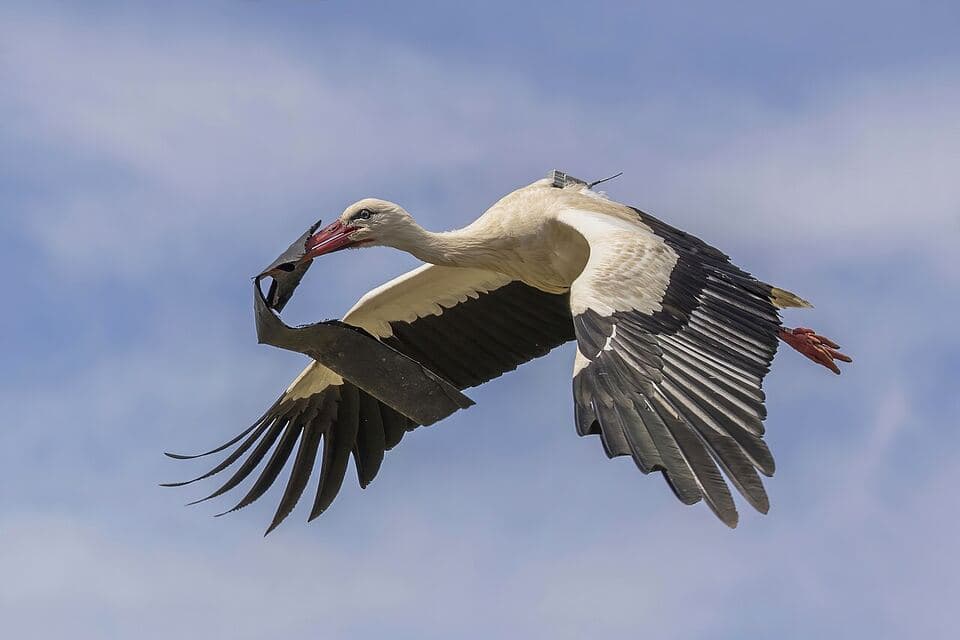
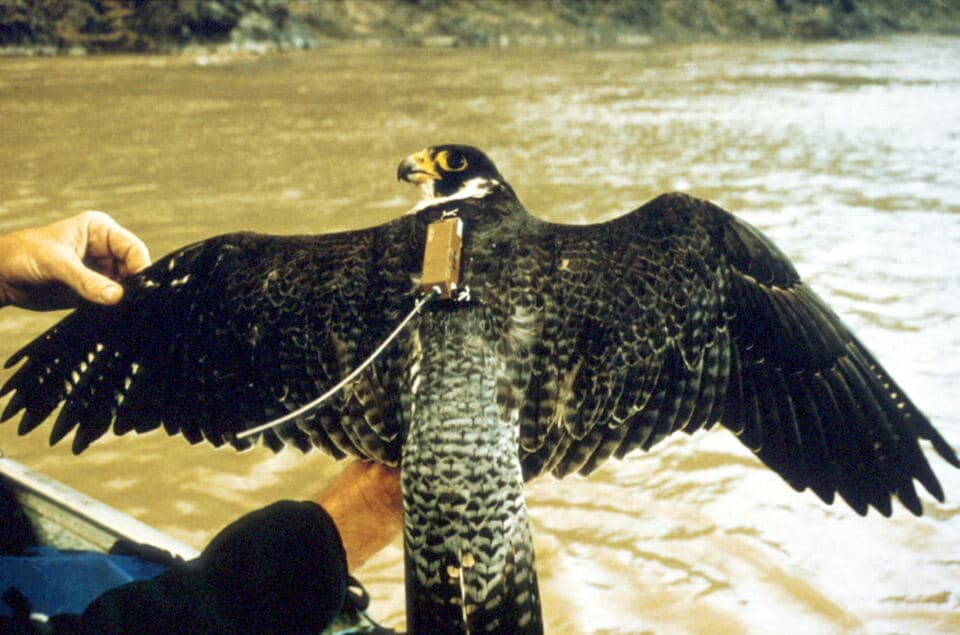
A cap is more than decoration: a hen wears it among her flockmates. That is why welfare comes first when we choose colours, too. We favour muted combinations that fit the colours of plumage and the surroundings, while keeping the hen’s number easy to read.
We avoid red, pink, magenta and reddish shades: they may attract pecking by flockmates, which could injure the hen wearing the cap.
We avoid large areas of bright yellow and orange: they can resemble food and invite pecking.
We avoid neon and fluorescent colours: hens see colours differently from us and can also see near-ultraviolet light. These materials may look particularly conspicuous to them.
We do not use glow-in-the-dark materials: we do not want to put a glowing surface on a hen resting at night.
Five palettes are currently available: Eggshell (white, dark brown and beige); Lavender (misty blue, black and translucent lilac); Mocha (dark brown, beige and pine green); Pinewood (pine green, white and black); and Gold (galaxy black, gold and emerald green).
Clear details are also available with every palette. Neutral, earthy, blue and green shades therefore make up most of the selection, with gold complementing the dark colours. We do not offer the whole rainbow: the wellbeing of the hen wearing the cap matters more than a unique look.
No, and we do not heat it. Some groups spend the winter in a single-layer polytunnel on deep litter. The deep litter is the tunnel’s own heating: the bottom of the thick bedding slowly composts, which gives off gentle warmth from below while the surface stays dry and soft. By day the film lets in the winter sun and warms up, and the hens insulate themselves with their feathers and huddle together just as they do in the coop. The tunnel’s main job is to keep out wind, rain and snow, because for a hen being wet or in a draught is far worse than the cold itself. Heating would do more harm than good: heat lamps are a common cause of coop fires, warm air inside against cold air outside means more condensation, and hens kept warm never adapt to the cold, so a power cut would hit them hard. Here too what matters is ventilation, so moisture does not condense on the film, and dry deep litter topped up with fresh bedding.
Sadly, yes: it is a natural part of a hen’s life. Today’s laying hens lay about 300 eggs a year, so their bodies work hard all their lives. Problems of the oviduct and around egg-laying are among the most common reasons laying hens are lost, even with the best care.
In numbers: even in closed, climate-controlled cage systems the industry plans for 4-6% mortality over a laying cycle. In free-range systems, where hens live outdoors on pasture, the average is around 9-10%, and in organic keeping it is higher still. Rearing alone, the chick and pullet months before laying, also loses around 10% of birds.
A hen is a prey animal: by instinct she hides that she feels unwell, so she does not look weak to predators or to her flockmates. That is why an illness often shows only in her last days, or not at all, even when she is watched carefully every day.
Losing one hen does not mean something is wrong with the flock. We watch the hens every day; if anything might affect the others, a suspected contagious illness for example, we call the vet and tell their patrons too.
Transparency matters to us. That is why we write about this openly, and why we let you know every time a hen is gone.

One hen kept well,
and her eggs put to use
Your sponsorship pays for a specific hen on organic pasture: her feed, her care, and the land she ranges over. She is not an anonymous number in an industrial shed.
A hen lays about 5 to 7 eggs a week, but she is a living animal, not a machine. Eggs are collected per group and shared out proportionally. Because chilled egg delivery does not cross borders well, eggs from the flock go to households near the farm in Hungary and to the farm donation programme.
Egg donationsEgg donations with the Hungarian Food Bank
Your hen’s eggs can help people in need. In your account, you choose where to donate them.
- Magyar Élelmiszerbank Egyesület (Hungarian Food Bank Association)
- The local community near the farm
Hungarian Food Bank Association
How egg donations workWhat happens after the first year?
Sponsorship runs as a yearlong story billed monthly. You can cancel at any time, effective at the end of the current billing period, with no penalty. At the end of the year your hen does not quietly disappear: you decide how her story continues.
She stays another year
If you want, she stays with us for a second laying cycle, so you follow the same hen across two years.
She retires on the farm
Hens past laying age are not discarded. They stay on the farm or move to a keeper who takes older birds.
Her page stays up
However her life ends, her public page is kept as a permanent, read-only record. The farm does not delete hens.
What is certain today, and what comes later
- Now: running
The Liget is established
29 hectares of certified organic land at Mikófalva in the Bükk hills, under holistic grazing. Remény Farm is an EARA member, and planting of the keyline tree rows is starting now.
- Now: on pasture
The opening round of hens
The layers arrived at the farm on 9 June 2026 and the flock is on pasture. Whoever sponsors now picks a hen sooner.
- Now: web account
You start from the web
After payment you continue in a web account: hen selection, name, serial number, status and farm updates in one place. It works on a phone browser too.
- Coming soon: apps
English apps and live camera
The English mobile apps are not published yet, and the Chirp Coop game has not launched. The live camera and detailed automated farm data are separately flagged later additions. None of them are part of what you are buying today.
Do not miss the next coop
Spots open one coop at a time, and the waitlist books first. Get your queue number now.
Remény Farm
Certification and memberships
The certification and communities behind our farm.
 Bio GaranciaOrganic certificationHU-ÖKO-02 (opens in a new tab)
 We are HunPLF membersHungarian Association forPrecision Livestock Farming (opens in a new tab)
 We are EARA membersEuropean Alliance forRegenerative Agriculture (opens in a new tab)
Our organic agricultural farm is certified by Bio Garancia Kft.